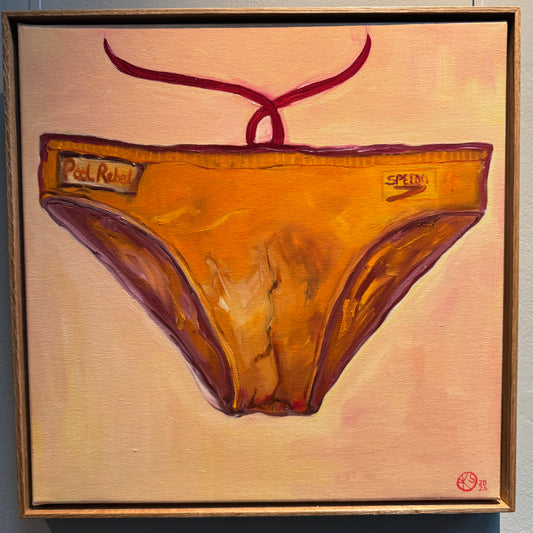
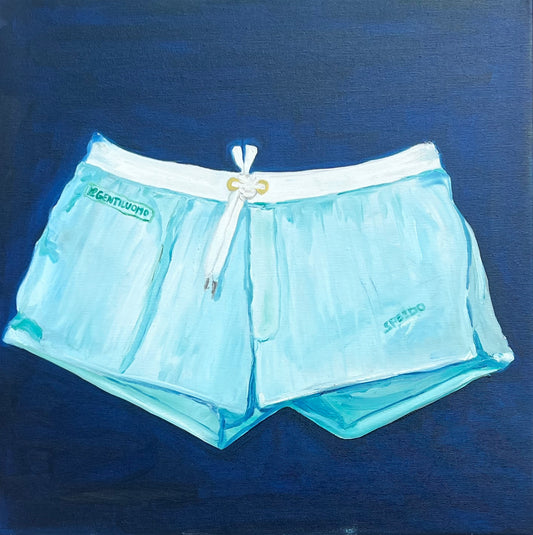
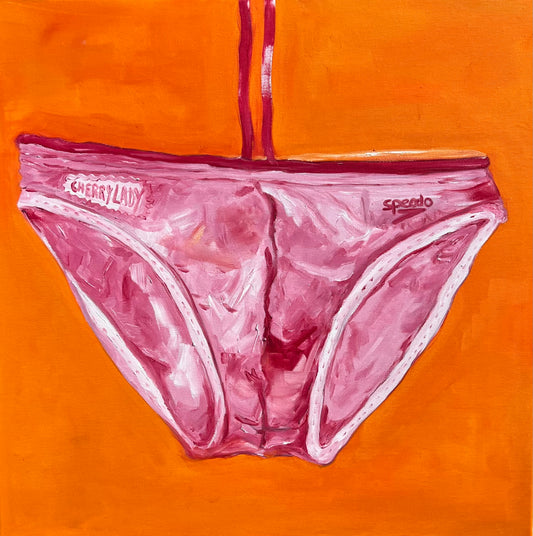
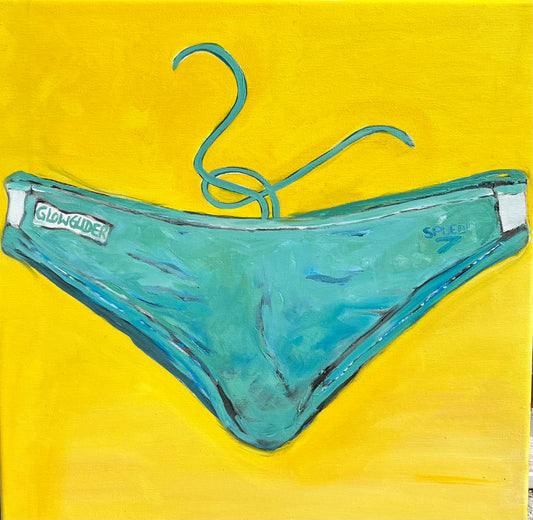
Collection: Suse Kohler (2)

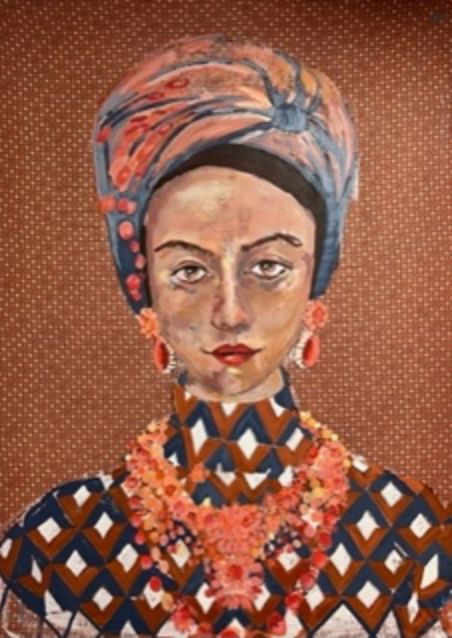
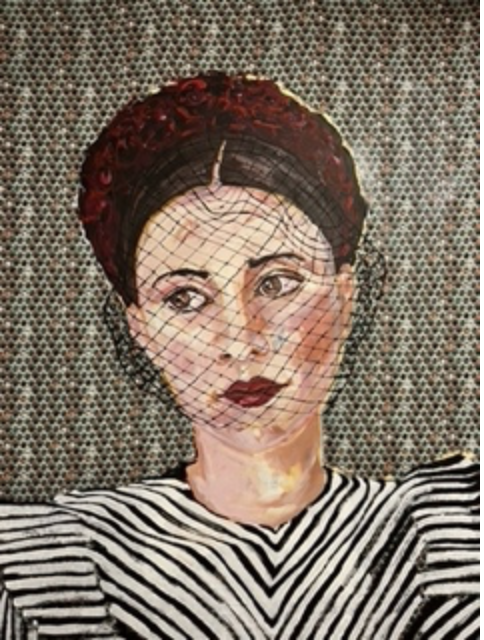
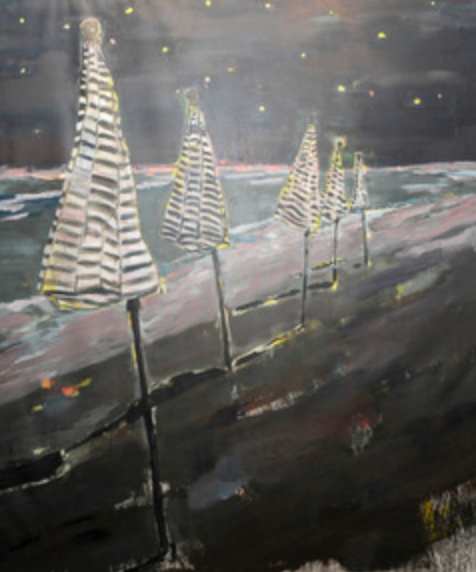
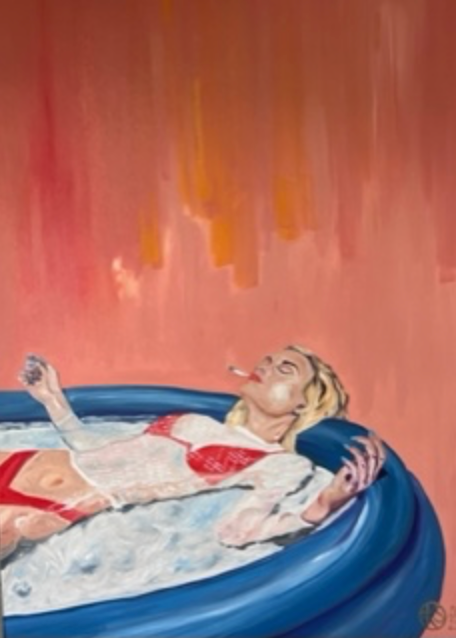
Suse Kohler, born in 1968 in Oberammergau, lives and works as a visual artist on Lake Tegernsee. Her works oscillate between powerful expression and subtle emotionality—they tell of personalities, perspectives, moments, and what lies beneath.

She trained at the Kolbermoor Academy of Fine Arts, where she studied under Prof. Markus Lüpertz, among others. Since then, she has regularly presented her work in solo and group exhibitions – including in Munich, Rome, Venice, and at Lake Tegernsee, where her large-format portraits and colorful series have long since become a defining voice in the regional art scene.

Kohler's works are direct and at the same time multi-layered – they touch because they show more than just the surface: the living, the fragile and the silent power of encounter.

In her current exhibition she opens up new pictorial spaces – inspired by fresh impressions.

Suse Kohler (2)

Q&A with the artists:

The exhibition ARTIFICIAL? Traces of the Present brings together works that question our perception. Reality appears not as a given, but as something that is constantly being appropriated. ARTIFICIAL? questions whether what we see and experience is not always already made, constructed, and mediated.

1) How does your work engage with reality and its construction, and what “traces of the present” become visible in it?

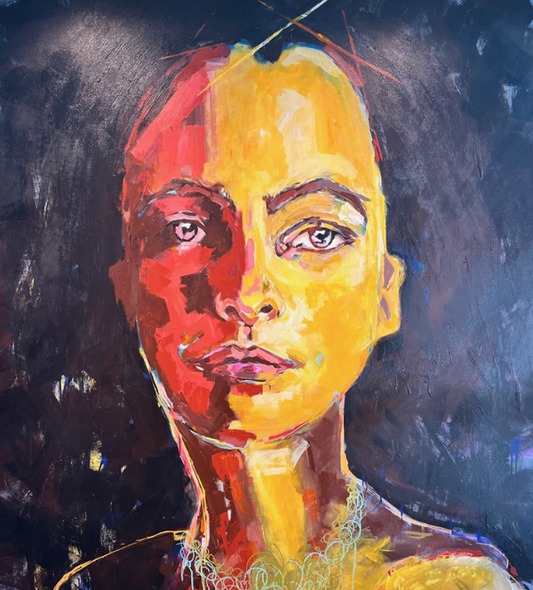
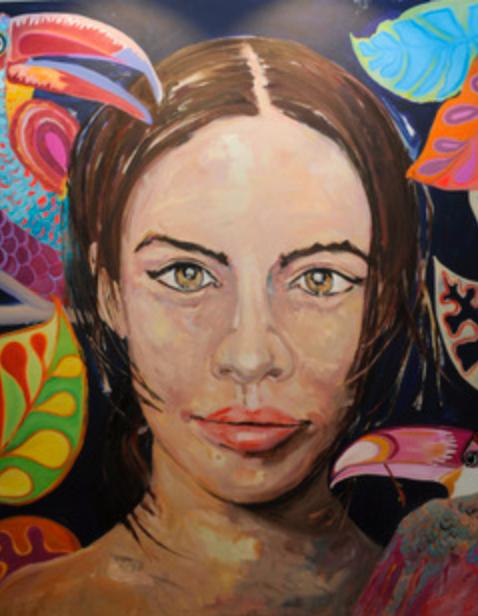
My portrait of Jane Goodall is a prime example. She represents an attitude that has fundamentally shifted our understanding of reality. Through her decades of work in Tanzania, she not only researched chimpanzee behavior but also redefined the boundary between humans and animals. She recognized individuality where instinct had previously been assumed, and relationship where distance was asserted.

What interests me about her is less the icon of the scientist than the consequence of her approach: patience, observation, empathy. Her research was radical because it allowed for closeness. She didn't construct an objective distance, but rather chose relationship as a form of knowledge.

In my portrait, I try to make precisely this attitude visible. Not the historical document, but the inner presence. The gaze between human and animal becomes a mirror of our own present. In a time of ecological crises and growing alienation from nature, her work seems more relevant than ever.

Here, the "traces of the present" become clear: the question of responsibility, of connectedness, of a broader concept of humanity. The portrait thus becomes a space for resonance – not only for her story, but for our own.

2) How does your work develop from the initial idea to completion, and what role does your presentation style play in this process?

It begins not with a form, but with a question. Not with aesthetics – but with an attitude.

I collect, read, and observe. My work is based on an intensive engagement with biography, ruptures, and contradictions. I am not interested in the familiar image, but in the core – the moment when a personality takes shape.

The composition is created deliberately. Direction of gaze, posture, scale, and reduction are precisely determined. My works are thoughtfully planned, almost choreographed.

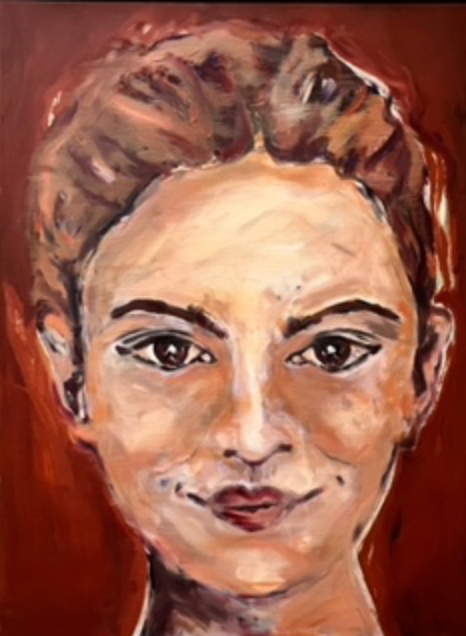
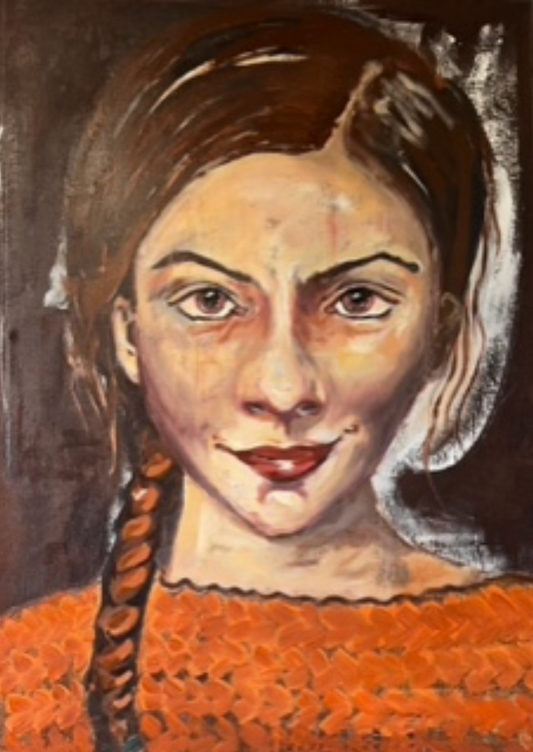
For me, the eyes are the central point of access. They represent presence, resistance, and invitation all at once. Through them, the dialogue between artwork and viewer arises. My formats are deliberately chosen to ensure an encounter on equal footing – both physically and psychologically. The portrait is not meant to be consumed, but rather reciprocated. It's about that quiet moment of confrontation in which an inner exchange begins.

The painting process itself is concentrated and physical. I work predominantly in oil on canvas, often in larger formats. Size creates presence. The figure confronts the viewer – not as an object, but as a counterpart.

My style is clear and minimalist. I avoid decorative overload. Color carries meaning, light structures the psychological space. The background is not an accessory, but an atmospheric resonance chamber.

During the painting process, I intensify. I take back, paint over, sharpen, until the image achieves a naturalness – a state in which it no longer seems made, but necessary.

The result is not a decorative work, but a statement in space. My paintings pose questions. They arise from the present and aim for something timeless. They do not seek to depict reality, but to raise awareness of it. It is an invitation to dialogue.